Professional Water Softener Installation: Enhance Your Water Quality Today
Expert water softener installation plays a crucial role in improving water standard in homes. Hard water can cause various issues, affecting everything from plumbing to personal care. Professionals confirm that the installation process is smooth and compliant with local regulations. They also help prevent common mistakes that can arise during installation. Understanding the advantages of this service can lead to significant improvements in daily life, prompting further research into its advantages and processes.
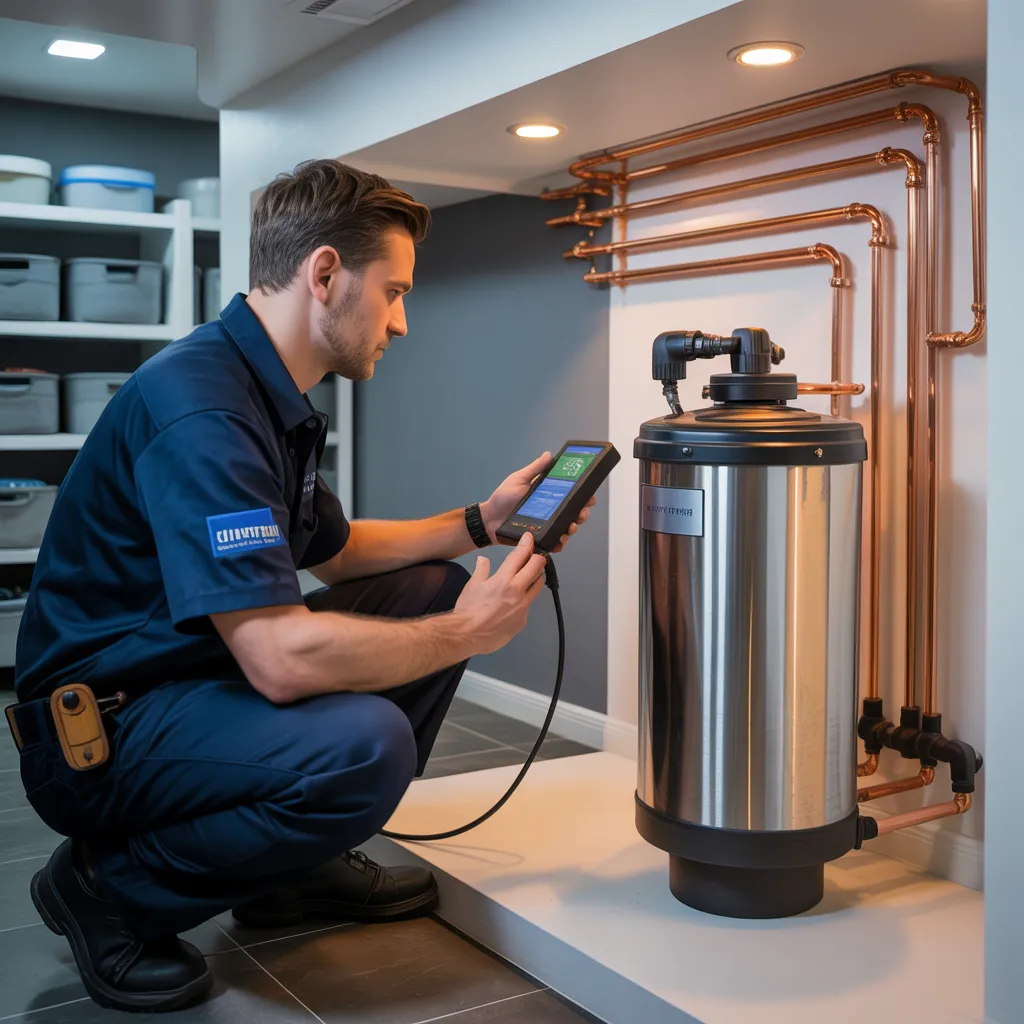
What Is Water Hardness and How Does It Impact You?
Hard water, noted for its elevated mineral content—especially calcium and magnesium—can greatly influence everyday life. Numerous households unconsciously experience its impact, which can show up in multiple forms. Having these minerals present can cause limescale formation in pipes and appliances, thus reducing their efficiency and lifespan. Moreover, hard water can pose difficulties in cleaning; soap may not lather well, leaving residues on dishes and laundry.
Furthermore, hard water can affect the taste of drinking water, rendering it less palatable. In some cases, it may contribute to increased utility costs due to greater strain on heating systems and other household devices. Understanding hard water's implications enables property owners to consider remedies that could improve their quality of water and overall ease in everyday routines.
The Advantages of Water Softening for Your Home
Water softening delivers considerable benefits for households by enhancing the longevity of equipment and boosting cleaning performance. Softened water decreases mineral deposits, which can result in costly repairs and replacements. Additionally, it allows cleaning products to perform better, resulting in spotless surfaces and textiles.
Better Appliance Durability
Installing a water softener can greatly improve the lifespan of home equipment. Hard water contains substances like calcium and magnesium, which contribute to mineral scaling in appliances such as dishwashers, water heaters, and washing machines. Over time, this scale can cause inefficiencies and eventually lead to breakdowns. By softening the water, homeowners can markedly reduce the wear and tear on these essential devices. Softened water enables appliances to work more efficiently, using less energy and lowering maintenance expenses. Consequently, investing in a water softener not only extends the life of appliances but also boosts their performance. Homeowners can anticipate fewer repairs and replacements, making water softening a smart choice for preserving household efficiency.
Optimized Tidying Efficiency
A water softener considerably increases cleaning efficiency across your household. Hard water holds calcium and magnesium minerals that can impede soap's effectiveness, producing dingy laundry, spotted dishes, and soap residue. By lowering mineral levels, water conditioning systems improve soap lathering and effectiveness, simplifying cleaning tasks and improving results.
When using softened water, laundry appears fresher and feels softer, while dishes turn out sparkling clean without any residue. In addition, surfaces in kitchens and bathrooms need less frequent upkeep, as mineral deposits are minimized. This not only saves time but also reduces the need for harsh cleaning products. Overall, a water softener significantly boosts the quality of cleaning, encouraging a more efficient and enjoyable home maintenance experience.
Why You Should Trust Experts for Installation
While some dwellers may contemplate a DIY approach to water softener installation, trusting professionals promises a elevated level of expertise and efficiency. Technicians hold the technical knowledge and experience vital to analyze specific home plumbing systems, guaranteeing that the water softener is properly fitted. They are familiar with diverse models and can recommend the best fit for distinct needs, avoiding routine obstacles that may surface during fitting.
Furthermore, professionals understand local codes and regulations, guaranteeing adherence and minimizing the risk of problems down the road. Their experience allows them to troubleshoot potential problems quickly, delivering confidence that the system will function properly. Additionally, many skilled technicians offer warranties on their services, contributing another layer of protection for property owners. In the end, opting for professional installation not only enhances the system's efficiency but also saves energy and time, making it a wise investment in water quality improvement.
Steps to Identify the Right Water Softener
Picking the right water softener demands a careful assessment of water hardness, which can greatly influence the effectiveness of the system. Moreover, understanding the various kinds of softeners on the market and their specifications is vital for making an educated choice. Budget considerations also serve an important function in picking a system that meets both needs and financial constraints.
Water Hardness Examination
Determining water hardness is a critical step in choosing the appropriate water softener. Water hardness is mainly measured in grains per gallon (GPG) or parts per million (PPM) and indicates the concentration of calcium and magnesium minerals. Homeowners can evaluate their water hardness with test kits found at hardware stores or by submitting samples to a lab for analysis. Understanding the hardness level helps in identifying the right softener size and type needed for successful treatment. Generally, water is classified as soft (0-3 GPG), moderately hard (4-7 GPG), hard (8-12 GPG), or very hard (over 12 GPG). Accurate evaluation guarantees proper softening, improving water quality and extending the lifespan of plumbing and appliances.
Complete Softener Types Breakdown
Choosing the right water softener requires an understanding of the different types available in the industry. The most common types consist of ion exchange, salt-free, and reverse osmosis systems. Ion exchange softeners replace hard minerals with sodium ions, successfully reducing hardness. Salt-free systems, on the other hand, treat water without traditional salt, making them ideal for those seeking a more environmentally conscious option. Reverse osmosis units remove impurities, including hardness minerals, but are often used in conjunction with other systems for thorough water treatment. Each type has its benefits and limitations, making it crucial for consumers to evaluate their particular water quality needs and preferences before making a decision. Understanding these options will enable informed choices for ideal water quality.
Financial Considerations Explained
Budget factors are crucial in the decision-making process for water softener installation. Homeowners must evaluate both initial costs and ongoing costs. Basic models may have reduced initial investment, but they can result in increased upkeep and chemical costs over time. Conversely, premium units often come with advanced features and greater efficiency, possibly lowering ongoing costs. Additionally, installation fees can vary considerably; some homeowners may choose DIY installation to save money, while others may prefer professional help for ideal setup. Understanding the total lifetime expense, including repairs and warranties, is vital. Ultimately, aligning the selection of water softener with both current financial limitations and long-term financial goals ensures a more rewarding investment.
Detailed Step-by-Step Instructions for Softening System Installation
Putting in a water softener can significantly improve the quality of water in a home. The installation process starts with selecting a appropriate location, typically near the main water supply line. Next, the homeowner should turn off the water supply and remove any remaining water from the pipes. After readying the area, the water softener is positioned, guaranteeing it is level.
The subsequent step entails linking the inlet and outlet pipes to the conditioning system. This might call for modifying the existing pipe network and supplying it with proper adapters. Once the connections are jump in tight, the salt storage is topped up with salt, and the system is powered up. In conclusion, the water supply is switched back on, allowing the property dweller to examine for seepage and ensure smooth operation. Executing these guidelines will produce reliable softening installation, creating the potential for enhanced water standards throughout every room of the residence.
Maintaining Your Water Softener in Optimal Shape for Lasting Benefits
Ensuring a water softener operates efficiently and lasts long-term improves the quality of water throughout your home. Routine care requires multiple critical duties, commencing with monitoring salt concentrations in the brine tank. It is important to add salt regularly to achieve correct regeneration cycles. Furthermore, sanitizing the resin bed each year aids in removing contaminants that may accumulate throughout time, sustaining the unit's capability.
Inspecting the network for leaks and confirming correct water flow is also crucial. A thorough check of the bypass valve, inlet, and outlet connections can prevent potential problems. Moreover, periodic testing of water hardness confirms that the softener is functioning correctly.
For those adopting a dual-tank design, switching between tanks during regeneration can enhance output. By adhering to these maintenance routines, dwelling owners can lengthen the operational life of their water softeners, ensuring consistent working condition and better water quality for years to come.
Frequently Inquired Questions
How Much duration Should You anticipate for Water Softener Installation?
Installing a water softener typically takes between two to four hours, based on the difficulty of the system and associated plumbing requirements. Factors like location and the existing setup can influence how long the process takes.
How Can You Recognize the Signals of a Malfunctioning Water Softener?
Evidence of a broken water softener consists of salty taste in water, reduced lathering of soap, sediment accumulation on fixtures, frequent regeneration cycles, and an spike in water hardness. These indicators suggest hidden problems warranting intervention.
Can I install a Water Softener Myself?
Yes, a water softener can be installed by oneself, provided that the individual has essential plumbing knowledge and understands the manufacturer's instructions. However, skilled professional installation may ensure peak performance and compliance with local codes.
What Are the Maintenance Costs of a Water Softener?
The yearly upkeep expenses of a water softener typically range from $50 to $150. This encompasses salt replacement, occasional servicing, and professional care, ensuring peak functionality and longevity of the system for effective water treatment.
Can Water Softeners Alter Water Flavor?
Water softeners typically do not significantly affect water taste. However, some individuals may detect a change due to the elimination of minerals like calcium and magnesium, resulting in a softer, less mineral-rich flavor profile.